
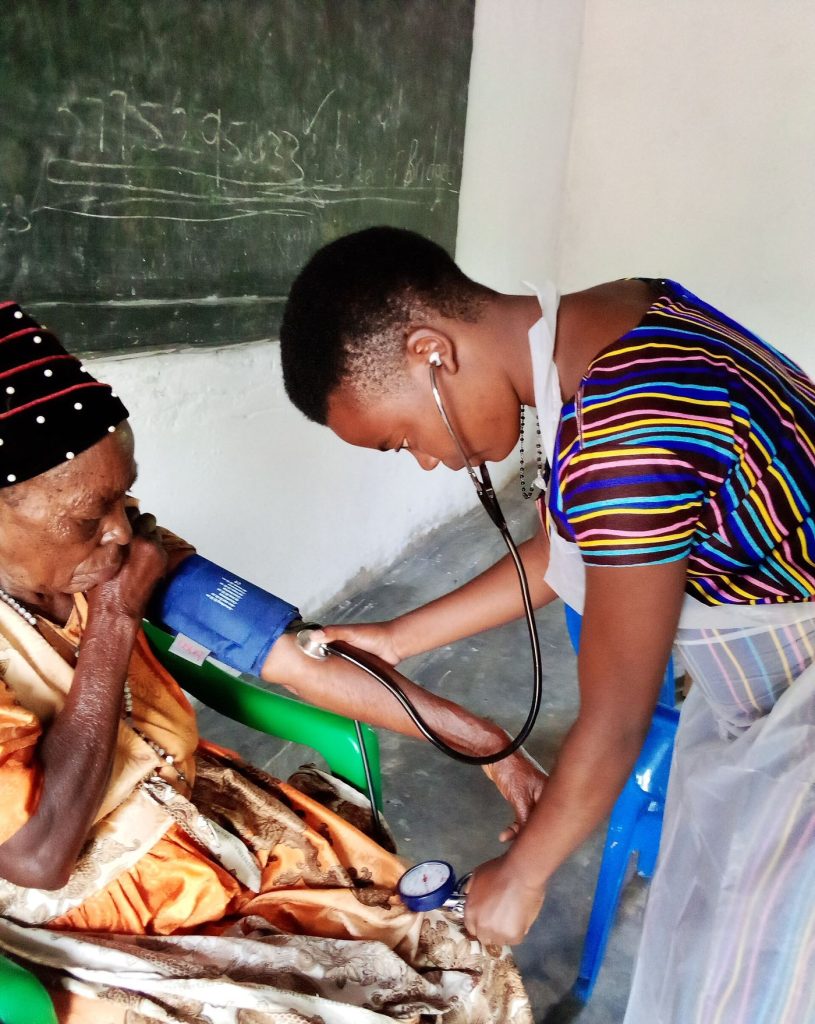
Blood pressure checks at home are helping patients take control of heart health, turning a number once measured only at the clinic into something people can follow week by week. High blood pressure rarely causes symptoms, which is why it is often called a silent condition, yet over time it raises the risk of stroke, heart attack and kidney disease. Home monitors, now widely available and relatively affordable, let patients see how their pressure changes with rest, exercise, salt and stress, and give doctors a fuller picture than a single reading taken in a busy surgery. Clinicians say the readings are most useful when taken correctly: seated, rested for a few minutes, with the cuff at heart level and the feet flat on the floor. Pharmacists can also help, checking that a home monitor is accurate, demonstrating the correct cuff position and explaining which readings should prompt a call to the doctor or nurse promptly.
What the Evidence Shows
Doctors advise patients to take readings at the same time of day, record them in a notebook or app, and bring the results to appointments rather than relying on memory. A single high reading is not a reason to panic, since pressure varies naturally, but a pattern of raised readings over several weeks deserves a conversation with a clinician. Lifestyle changes make a real difference: less salt, regular walking, a healthy weight and cutting back on alcohol all help, and many people can reduce their pressure substantially without new medicine. Anyone on blood pressure treatment should not stop it without medical advice, even if home readings look good. Used carefully, a home monitor turns an invisible risk into something visible, manageable and shared with the doctor. Stress plays a part, and many patients notice higher readings during difficult weeks, which is why doctors look at the overall pattern rather than one number. Reporting and analysis from sources such as National Institutes of Health track the same developments, and specialists following home blood pressure monitoring say the direction is now consistent across independent lines of evidence.
The Wider Context
The wider context is a health system trying to move from treating illness late to preventing it early, against budgets that reward the opposite. Evidence around home blood pressure monitoring is being weighed by guideline committees that ask two questions in order: does it work, and can ordinary services actually deliver it at scale. Many good ideas pass the first test and stall on the second.
What Happens Next
What happens next for home blood pressure monitoring depends on the slow machinery of guidelines, funding and training catching up with the evidence. Patients asking about it today should expect honest answers that include uncertainty, and clinicians say a service that explains what is not yet known earns more trust than one that oversells. The research pipeline, at least, is moving in the right direction. You can follow related developments in our coverage of health.
None of this will be settled by a single announcement, study or product launch. The pattern to watch is accumulation: independent confirmations, honest reporting of failures and steady improvement in the underlying numbers. Readers who follow those signals, rather than the loudest claim of the week, will understand this subject better than most of the commentary surrounding it suggests is possible.
