
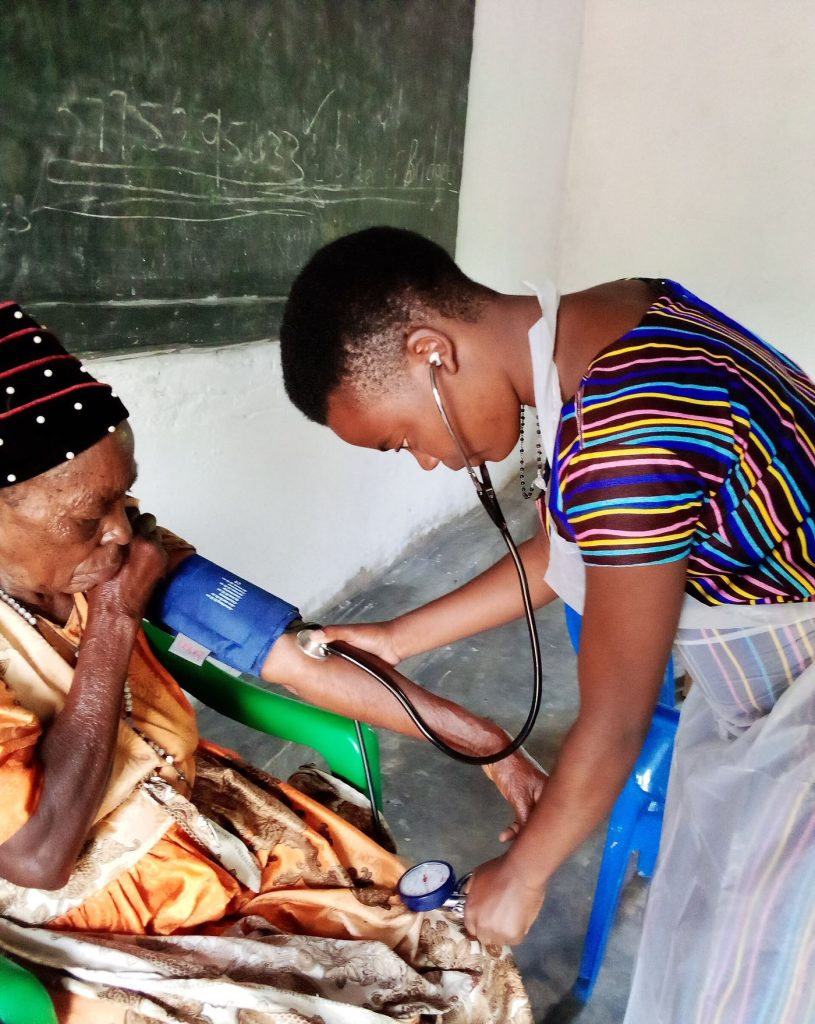
Free blood pressure checks in community pharmacies are identifying thousands of adults with undiagnosed high readings, many of whom had no symptoms and no reason to suspect a problem. High blood pressure rarely causes pain or obvious signs, yet it steadily raises the risk of stroke, heart disease and kidney damage when left untreated. Pharmacists say the walk-in checks take only a few minutes and are reaching people who rarely visit a GP, including shift workers and younger men. Anyone with a raised reading is offered a follow-up, sometimes with a home monitor to confirm the pattern over several days before treatment decisions are made. The programme is being described as simple prevention with an unusually clear payoff. The service is part of a wider shift toward prevention in neighbourhood settings, where blood pressure, cholesterol and diabetes risk can be assessed without an appointment in places people already visit weekly. Pharmacies in areas with higher rates of heart disease are offering extended hours for checks, and some are working with community groups to run sessions in workplaces, sports clubs and places of worship to reach residents who rarely use formal health services.
What the Evidence Shows
Doctors emphasise that a single high reading does not automatically mean medication, because anxiety, caffeine, pain and rushing to the appointment can all push numbers up temporarily. Confirmed high blood pressure is usually managed with a combination of lifestyle changes and, where needed, well-tested medicines. Reducing salt, staying active, limiting alcohol and stopping smoking all help, and small sustained falls in blood pressure translate into meaningful reductions in risk over time. Health services are encouraging adults over forty, and younger people with a family history, to accept a check when offered rather than waiting for symptoms that may never arrive. Public health teams say follow-through matters as much as detection, so results are shared promptly with GP practices and patients receive clear written advice about next steps. People found to be at high risk are prioritised for review, while those with borderline readings are invited back for repeat checks. Over time, organisers hope these small encounters will prevent emergencies, reduce hospital admissions and narrow the health gap between wealthier and poorer communities. Reporting and analysis from sources such as National Institutes of Health track the same developments, and specialists following pharmacy blood pressure checks say the direction is now consistent across independent lines of evidence.
The Wider Context
The wider context is a health system trying to move from treating illness late to preventing it early, against budgets that reward the opposite. Evidence around pharmacy blood pressure checks is being weighed by guideline committees that ask two questions in order: does it work, and can ordinary services actually deliver it at scale. Many good ideas pass the first test and stall on the second.
What Happens Next
What happens next for pharmacy blood pressure checks depends on the slow machinery of guidelines, funding and training catching up with the evidence. Patients asking about it today should expect honest answers that include uncertainty, and clinicians say a service that explains what is not yet known earns more trust than one that oversells. The research pipeline, at least, is moving in the right direction. You can follow related developments in our coverage of health.
None of this will be settled by a single announcement, study or product launch. The pattern to watch is accumulation: independent confirmations, honest reporting of failures and steady improvement in the underlying numbers. Readers who follow those signals, rather than the loudest claim of the week, will understand this subject better than most of the commentary surrounding it suggests is possible.
