
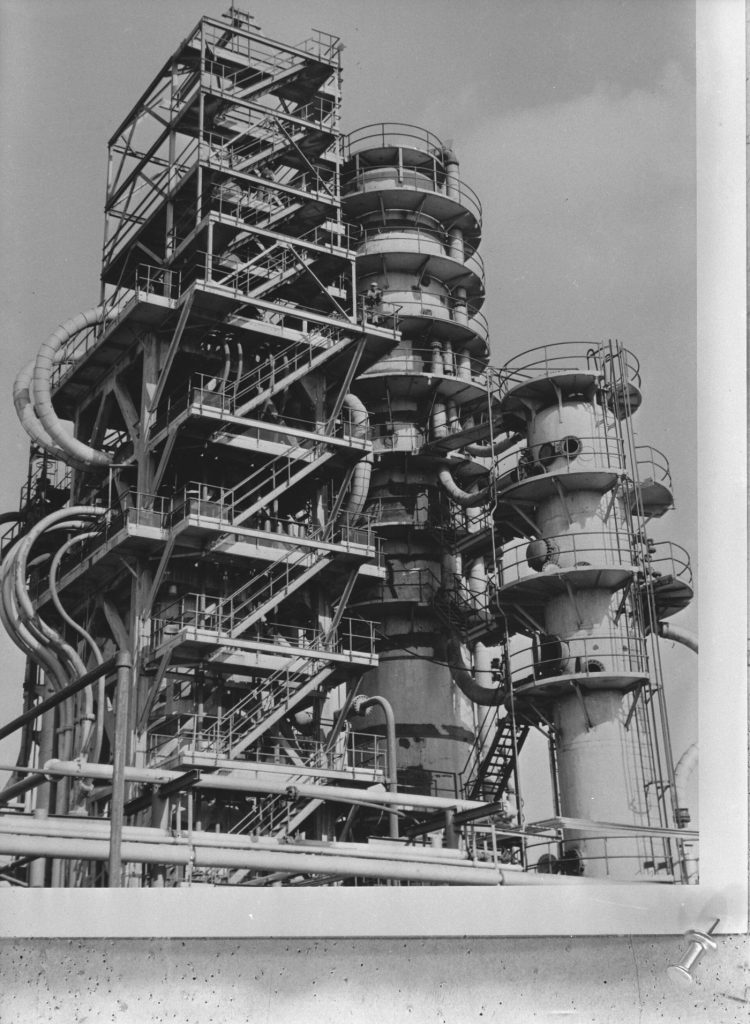
Saudi Aramco reported on November 3, 2026, that its adjusted net income rose 9 percent to 31.2 billion dollars in the third quarter, beating the 28.7 billion dollar consensus forecast. Net profit rose 35 percent to 36.25 billion dollars, helped by the sale of a stake in a Malaysian refining venture to Petronas. Brent crude averaged more than 90 dollars a barrel in the quarter, up more than 40 percent, as the war between the United States, Israel and Iran disrupted shipping through the Strait of Hormuz. Aramco’s downstream earnings before interest and tax soared 234 percent on stronger refining margins, and free cash flow reached 28.2 billion dollars. The company kept its base dividend at 21.9 billion dollars, up 3.5 percent on the year. The results came despite direct attacks on Aramco’s own facilities by Yemen’s Houthi militants.
What the Evidence Shows
The attacks were part of a wider energy crisis. Houthi drones struck Aramco’s East-West pipeline, the kingdom’s main route around the Strait of Hormuz, on September 10, damaging three of its eleven pumping stations. Saudi authorities shut the line on September 11 and restarted pumping on September 22 at lower capacity, while exports were kept moving through alternate routes. The company said exports had returned to prewar levels, and its chief executive, Amin Nasser, called the disruption the biggest supply shock the industry has faced, with more than 3 billion barrels of liquids supply lost from the global market. Aramco sold its oil for an average of 95.20 dollars a barrel in the quarter, against 70.10 dollars a year earlier. It kept full-year capital spending guidance at 50 to 55 billion dollars and reported a gearing ratio of 5.5 percent. Reporting and analysis from sources such as World Bank track the same developments, and specialists following Aramco’s third-quarter profit say the direction is now consistent across independent lines of evidence.
The Wider Context
For households and small firms, Aramco’s third-quarter profit matters through prices and access rather than through market commentary. Changes at this level arrive as a rate on an offer letter, a fee on a statement or a product that quietly disappears from a comparison table. Consumer groups argue that transparency at exactly that point of decision is worth more than any amount of market-level reporting.
What Happens Next
The outlook for Aramco’s third-quarter profit hinges on policy choices that will be made in the open over the coming quarters. Market participants are positioned for more than one outcome, which is why the immediate reaction to each announcement has been smaller than the commentary around it. For ordinary savers and borrowers, the advice from every quarter is the same: review your own position, not the headlines. You can follow related developments in our coverage of finance.
It is also worth remembering how quickly the picture in this area has changed before. Positions that looked settled a few years ago have been revised as new data arrived, and the same humility is appropriate now. The strongest coverage of this subject, and the most useful advice, tends to come from sources that update their views openly when the facts move, rather than defending an earlier position long after it has stopped fitting the evidence available.
