
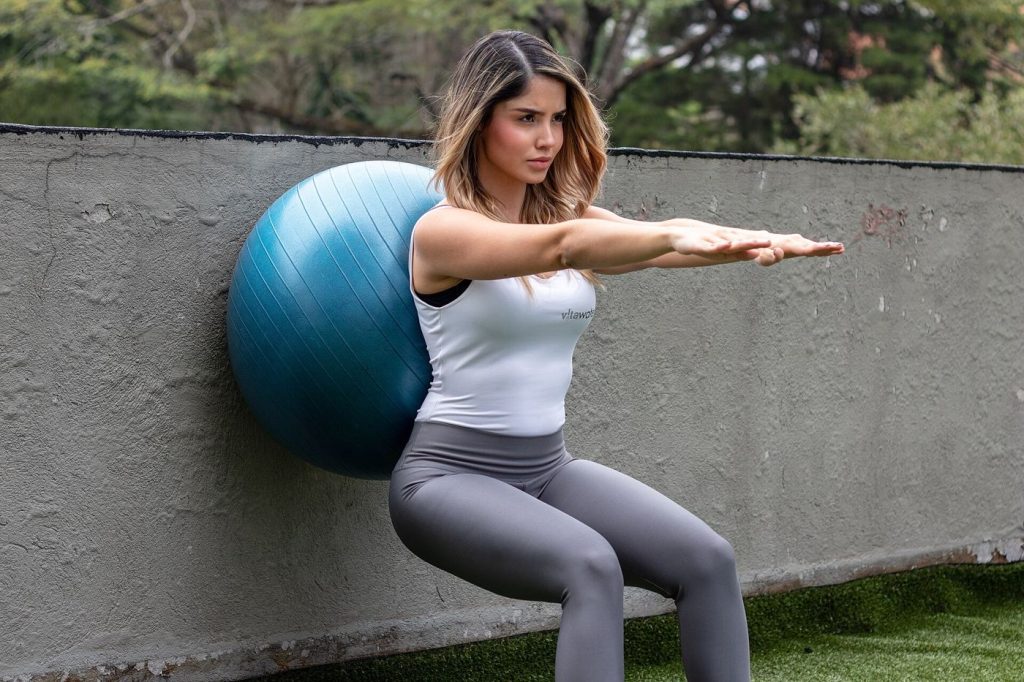
Beginners are starting strength training at home with no gym, discovering that a few simple exercises with body weight or household items can build real strength. Strength training was once seen as the preserve of gyms and heavy weights, yet health experts now recommend it for everyone, because stronger muscles protect joints, support the back and keep everyday tasks, from carrying shopping to climbing stairs, easy as the years pass. A beginner needs no equipment at all: squats, wall push-ups, lunges and glute bridges use only body weight, and a filled water bottle or a bag of rice can add resistance. The key, physiotherapists say, is to start gently, with two short sessions a week, and to focus on good form rather than speed or effort. Many people follow a short online video or a printed routine, and progress by adding a few more repetitions each week. Within a month, most beginners notice the difference: stairs feel easier, bags feel lighter and posture improves.
What the Evidence Shows
Experts advise warming up first, with a few minutes of marching or gentle movement, and resting a day between sessions so muscles can recover. Each exercise should be done slowly, with control, and any sharp pain is a signal to stop and check form. A simple routine might include a squat, a push-up against a wall or a table, a row using a sturdy chair, and a bridge, repeated twice. Progress comes from small increases, such as one more repetition or a slightly deeper squat, rather than sudden jumps. Anyone with a health condition, a recent injury or a joint problem should check with a clinician before starting. For beginners, the message is encouraging: strength training at home is cheap, quick and effective, and a few minutes twice a week is enough to build strength that lasts. Reporting and analysis from sources such as National Institutes of Health track the same developments, and specialists following strength training at home say the direction is now consistent across independent lines of evidence.
The Wider Context
The wider context is a health system trying to move from treating illness late to preventing it early, against budgets that reward the opposite. Evidence around strength training at home is being weighed by guideline committees that ask two questions in order: does it work, and can ordinary services actually deliver it at scale. Many good ideas pass the first test and stall on the second.
What Happens Next
What happens next for strength training at home depends on the slow machinery of guidelines, funding and training catching up with the evidence. Patients asking about it today should expect honest answers that include uncertainty, and clinicians say a service that explains what is not yet known earns more trust than one that oversells. The research pipeline, at least, is moving in the right direction. You can follow related developments in our coverage of health.
None of this will be settled by a single announcement, study or product launch. The pattern to watch is accumulation: independent confirmations, honest reporting of failures and steady improvement in the underlying numbers. Readers who follow those signals, rather than the loudest claim of the week, will understand this subject better than most of the commentary surrounding it suggests is possible.
