
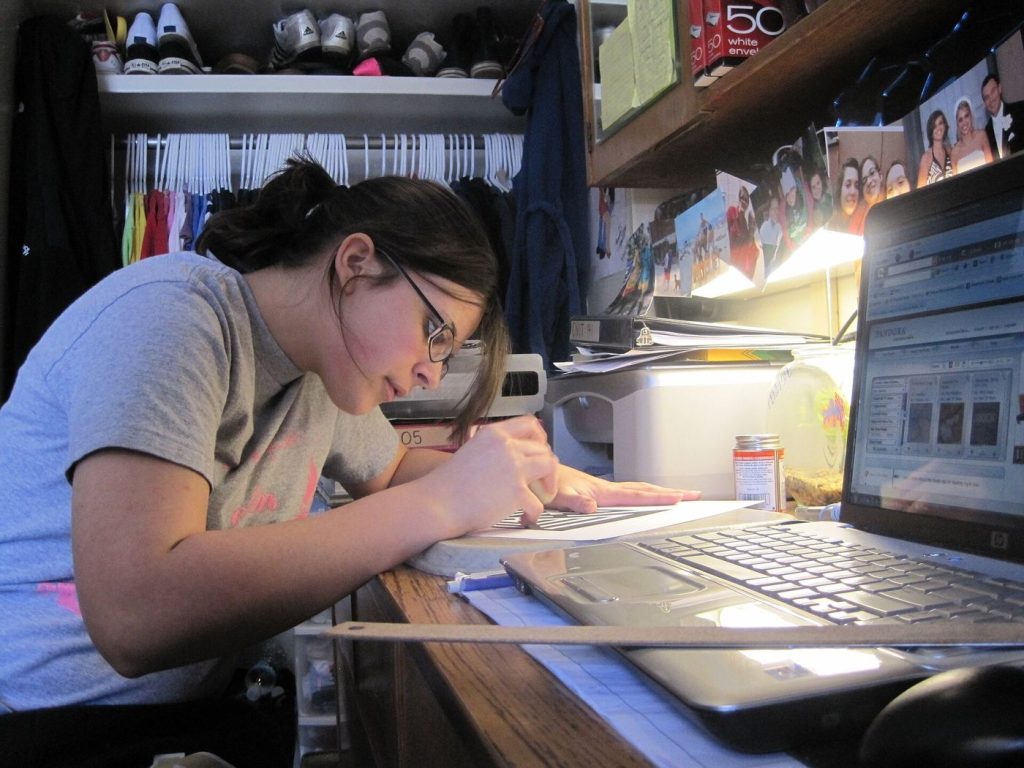
As exam season approaches, schools are setting aside lesson time to teach students how to study, not just what to study. Teachers say many pupils work hard but inefficiently, rereading highlighted pages for hours without testing whether the material has actually stuck. The new study skills sessions demonstrate practical methods such as writing flashcards, spacing practice over several days and explaining a topic aloud from memory. Students practise on their real subjects rather than artificial examples, so the techniques can be used the same evening. Parents are receiving short guides too, so encouragement at home matches the advice being given in class. Lessons are deliberately practical and short, fitting into tutor periods and subject classes without displacing the curriculum content that students are trying to revise in the first place.
What the Evidence Shows
School leaders stress that study skills are not a shortcut around understanding, and that good teaching remains the foundation on which revision builds. The sessions also cover planning a realistic timetable, sleeping properly during exam periods and recognising when worry is getting in the way of work. Teachers have adapted the guidance for different ages, with younger pupils focusing on organisation and older students on past papers and timed practice. Pupil feedback will shape whether the lessons become a permanent part of the school year. Education researchers have long argued that knowing how learning works is itself a form of advantage, and schools hope making it explicit gives every student access to strategies that confident learners often discover by chance. Reporting and analysis from sources such as Associated Press track the same developments, and specialists following school study skills lessons say the direction is now consistent across independent lines of evidence.
The Wider Context
Regional and local reporting on school study skills lessons often tells a different story from national coverage, because the effects land unevenly: one town’s pilot is another’s distant proposal. Analysts who follow the subject full-time read the local data first, arguing that national averages conceal the variation that decides whether a policy or a project deserves to spread.
What Happens Next
The longer story of school study skills lessons is still being written by the people closest to it, whose experience rarely matches the earliest predictions of either supporters or critics. Reporting will continue to follow the evidence as it accumulates, including where it complicates today’s account. That is the deal serious coverage makes with its readers, and it holds for this subject as for any other. You can follow related developments in our coverage of news.
It is also worth remembering how quickly the picture in this area has changed before. Positions that looked settled a few years ago have been revised as new data arrived, and the same humility is appropriate now. The strongest coverage of this subject, and the most useful advice, tends to come from sources that update their views openly when the facts move, rather than defending an earlier position long after it has stopped fitting the evidence available.
